



When we talk about investing, we usually mean money. Stocks, ISAs, pensions, property. These are all important, but there’s a whole category of investments that often deliver better returns than anything you’ll find in your portfolio. These are the investments that you make in yourself.
Your mindset, your health, your skills, your network, your habits are the things that compound over time, and can support your wellbeing, quality of your life and career in ways that go beyond your financial position.
The best part? Most of these investments require intention rather than capital. You don’t need a windfall or a bonus to start, you just need to decide they matter and commit to making them happen.
As we head towards a new year, here are the investments worth making that have nothing to do with your bank balance and everything to do with building a life and career you actually want.
Disclosure: This post contains affiliate links, which means we may earn a commission if you make a purchase through a link on this page. As an Amazon Associate, we earn from qualifying purchases. Purchasing through these links does not cost you extra and helps support this website.
Table of Contents:
- Invest in Your Mindset
- Invest in Your Health
- Invest in Your Skills
- Invest in Your Network
- Invest in Your Habits
- Invest in Your Experiences
- Invest in Your Environment
- Invest in Your Rest
- Invest in Your Knowledge
- Invest in Your Confidence
You Don’t Have to Do Everything
The Real ROI

1. Invest in Your Mindset
Your mindset shapes how you respond to challenges, whether you take risks, how you talk to yourself when things go wrong and it determines whether you see something as an opportunity or an obstacle.
Why it matters:
A fixed mindset keeps you stuck. A growth mindset opens doors. The difference between “I can’t do this” and “I can’t do this yet” is massive. People who invest in developing a resilient, growth-oriented mindset bounce back faster from setbacks and are more likely to take the risks that lead to career growth.
What this looks like in practice:
Investing in your mindset means actively working on how you think. That might be through therapy, coaching, reading, journaling, or simply noticing your thought patterns and challenging the unhelpful ones.
How to start:
Read books that shift your perspective. Check out our list of 20 mindset books for recommendations. Even one book that changes how you think about yourself or your career can have a ripple effect. I like to think if I walk away with one piece of advice that I take into my life and use then the time reading that book was worthwhile. And my easy tip for reading more is to download audiobooks and listen when you are commuting, cleaning or cooking.
Consider therapy or coaching. Therapy and coaching isn’t just for crisis moments and should be something that you bring into your life in a regular way. Talking to a professional about how you approach challenges, process feedback, or handle imposter syndrome can give you practical tools that you otherwise may not have implemented.
Practice reframing. When something goes wrong, instead of spiralling into “I’m terrible at this,” ask “What can I learn from this?” or “How can I approach this differently next time?” It sounds simple, but rewiring your default response takes practice.
Resources:
- Apps like Calm or Headspace for guided mindfulness
- Therapy platforms like BetterHelp or local NHS resources
- Podcasts that challenge your thinking (specific to your interests)

2. Invest in Your Health
Your health is the foundation for everything else. You can’t show up for your career, your relationships, or your ambitions if you’re burnt out, exhausted, or running on empty.
Why it matters:
This may seem quite obvious but we often forget or deprioritise our health, and poor health costs you time, energy, and opportunities. Where good health supports your resilience, increases your stamina and productivity. The habits you build now affect not just how you feel today, but will impact how you age and how much you can enjoy the life you’re building.
What this looks like in practice:
Looking after your health is about regular movement, good nutrition, great sleep, mental health, and preventative care. You want to start looking after your body across all of these categories as early as possible to support yourself in the longer term.
How to start:
Move your body regularly. You don’t need a fancy gym membership. Walking, yoga at home, a 20-minute workout on YouTube. The goal here is to be consistent with some form of daily movement that you enjoy so that you stick with it!
Prioritise sleep. Sleep is the most underrated health investment and a good 7-8 hours is essential for cognitive function, mood, and long-term health. If you’re chronically sleep-deprived, everything else suffers. Check out this list of must-watch TedTalks including How To Succeed, Get More Sleep by Arianna Huffington.
Book preventative health appointments. Dentist, GP check-ups, eye tests, cervical screenings and mammograms. Schedule reminders in your calendar and pre-book appointments so that you don’t fall behind on these.
Resources:
- Free YouTube workouts and stretching (My faves are FitByMik and Mady Morrison)
- NHS health check eligibility
- Apps like MyFitnessPal or Noom for nutrition tracking if that’s helpful for you

3. Invest in Your Skills
Your skills are your career currency and the more valuable skills you have, the more opportunities you create for yourself.
Why it matters:
The job market changes fast and the skills that were in demand five years ago might be less relevant now (hello AI). The people who thrive are the ones who continuously learn and adapt by investing in new skills. This not only keeps you employable, but it also expands what’s possible for you and might open doors to new roles and opportunities.
What this looks like in practice:
Skill development can be formal (courses, certifications) or informal (learning on the job, side projects, self-teaching). The key is being strategic about what you learn and why you are learning it so that you allocate your time to the right things.
How to start:
Identify skills that align with your goals. Don’t just learn random things because they’re trendy. What skills would make you more valuable in your current role? What would you need to move into the role you actually want? Focus there.
Use free or low-cost resources. LinkedIn Learning, Coursera, YouTube, and free trials of platforms like Skillshare give you access to thousands of courses. Many are high-quality and taught by experts.
Learn by doing. The fastest way to develop a skill is to use it in real projects. Volunteer for work that stretches you, take on side projects, or create your own opportunities to practice.
Resources:
- LinkedIn Learning (often free through your company or library)
- Coursera for university-level courses
- Udemy for practical, hands-on skills
- Our post on professional development organisation
- Peer Suite Member’s Library for content on careers, work-life, networking, job hunting, navigating transitions, leadership, workplace communication and more

4. Invest in Your Network
I truly beleive your network is one of your most valuable career assets. I was recently at a lunch with an impressive woman who sat on the board of the Royal Philharmonic Orchestra and I asked how she became an NED, and how that opportunity came about. Her answer was this simple “I don’t apply for anything. All the opportunities and roles I have had, including this one, came through my network”.
Why your network matters:
The right connection can open doors to jobs, advice, collaborations, mentorship, and support when you need it. People with strong networks have more options, more information about what opportunities are out there, and more people supporting them in getting to where they want to be.
What this looks like in practice:
Networking should not look like adding hundreds of people on LinkedIn. It should be about building genuine relationships with people whose work you respect, who can challenge your thinking, or who are navigating similar paths.
How to start:
Be strategic about who you connect with. Quality over quantity. Identify 10-20 people you’d genuinely like to know better and focus on building those relationships rather than trying to network with everyone.
Stay in touch regularly. Set reminders to check in with key contacts quarterly. A brief message, sharing an article they’d find interesting, or congratulating them on a win keeps relationships warm. Use this guide to learn the relationship management hack that changed how I network.
Add value without expecting anything back. Introduce people who should know each other, share opportunities when you see them and offer help. The best networkers are generous first rather than transactional. Of course you should also value your time and expertise, especially if your inbox is filled with messages from people asking to “pick your brain” – in these cases its perfectly ok to share your services or how they can book a call with you. And don’t be offended if someone you reach out to does this.
Join communities that matter to you. Whether that’s industry groups, professional organisations, or communities like Peer Suite, being part of something where you regularly interact with like-minded people naturally builds your network.
Resources:
- Networking strategies for how to stay visible
- LinkedIn for professional connections
- Eventbrite, Meetup and Luma for industry events
- Peer Suite community for connecting with other professional women
5. Invest in Your Habits
What you do consistently matters more than what you do occasionally.
Why habits matters:
Habits remove decision fatigue and when something becomes automatic, you don’t have to rely on motivation or willpower because you have created a system that allows habits to come easily. Good habits compound, but so do bad habits.
What this looks like in practice:
First you should identify the habits that would actually improve your life and build systems to make them stick.
How to start:
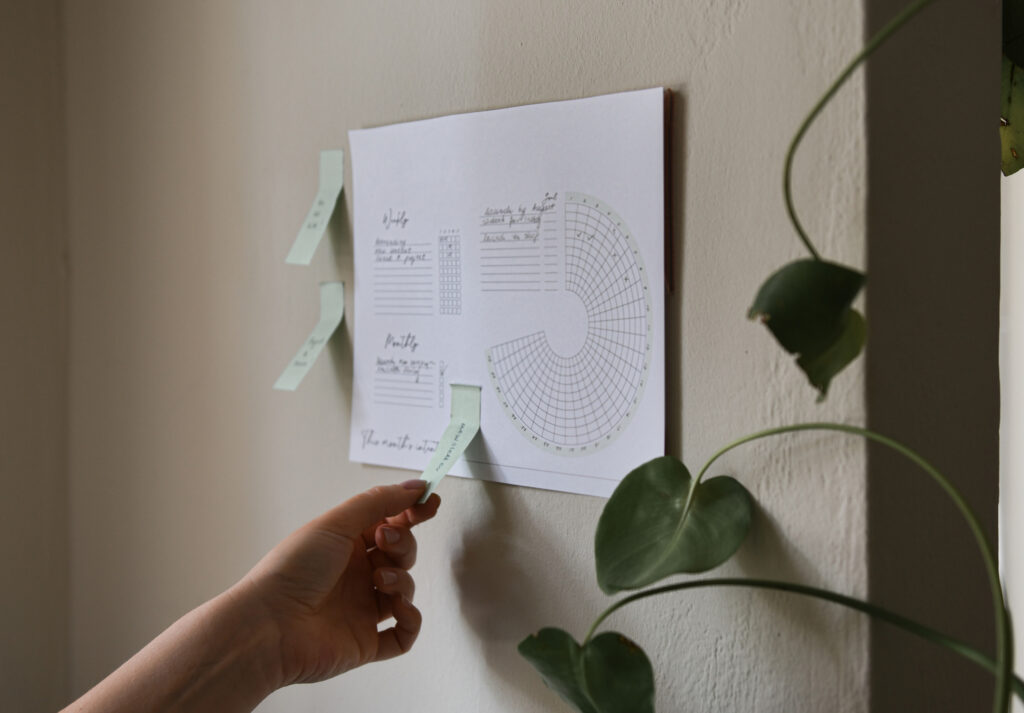
Start small. Trying to change too much at once will quickly lead to you missing a day for one of your habits and then finding it hard to pick it back up. Pick one habit to build and focus on that until it’s automatic. Then add another.
Stack habits onto existing routines. If you want to start journaling, do it right after your morning coffee. If you want to stretch more, do it right before bed. Attaching new habits to existing ones makes them easier to become part of your routine.
Track your progress. Whether that’s checking off days on a calendar, using a habit tracking app, or just noting it in your journal, seeing your streak will help you to maintain the habit. And don’t worry if you miss a day, just pick back up the next.
Resources:
- Atomic Habits by James Clear (essential reading on this topic)
- Habit tracking apps like Streaks or Habitica
- Morning routine ideas to build strong daily habits

6. Invest in Your Experiences
Experiences shape who you are and give you stories, perspective, and memories that are going to outlast any material purchase.
Why experiences matter:
When you look back on your life, you won’t remember the things you bought, you’ll remember the trips you took, the risks you took, the things you tried that scared you. And right now you are also referencing those things – think about the last time you went to brunch with friends or met someone at an event, you probably talked to them about your latest holiday, or a date night you went on rather than your latest handbag purchase.
What this looks like in practice:
This doesn’t mean expensive holidays (though travel is valuable if you can afford it). It means saying yes to things that stretch you. Taking the course, attending the event, trying the new hobby, meeting up with a friend you haven’t seen in a while.
How to start:
Say yes to things that scare you a little. If an opportunity makes you nervous but excited, that’s usually a sign it’s worth doing. Public speaking, leading a project, travelling solo, whatever it is, lean in to this.
Prioritise experiences over things. When you have discretionary income, spend it on doing rather than having. A weekend away, a concert, a workshop to create memories and conversation points.
Try something new every quarter. Set a goal to do something you’ve never done before every few months. It doesn’t have to be huge, just different to what your typical weekly routine might look like.
Resources:
- Local Eventbrite or Luma listings for classes and workshops
- Airbnb Experiences for unique activities
- Volunteering opportunities in your area
- Follow city based Instagram accounts for ideas of new activities and things to do in your area
- Ask your friends what things they are doing on the weekend that might be different to your usual activity and see if you can join them

7. Invest in Your Environment
Your environment has a real impact on your productivity, mood, and energy. Personally I find that that if my surroundings chaotic, cluttered, or uncomfortable this affects me at work and changes my mood.
Why your environment matters:
You can’t control everything in your life, but you can control your immediate environment. A workspace that works for you, a home that feels calm, and digital spaces that aren’t overwhelming all make daily life easier and more pleasant.
What this looks like in practice:
Creating environments that support the life you want to live. That might mean upgrading your desk setup if you work from home, decluttering spaces that stress you out, or organising your digital life so you’re not constantly searching for things.
How to start:
Audit your spaces. Look at where you spend most of your time (desk, bedroom, living room) and ask: does this space support what I need to do here? If not, what small changes would help?
Declutter one area at a time. Don’t try to organise your entire life in a weekend. Pick one drawer, one shelf, one digital folder (or call me to help because organising actually brings me such a great sense of accomplishment!)
Invest in things that improve daily life. A comfortable desk chair if you work from home – this is the comfiest ergonomic home office chair. Good lighting. Noise-cancelling headphones. These aren’t luxuries if they make your daily experience significantly better.
Resources:
- Our guide to getting organised covers digital and physical spaces
- Apps like Notion for organising digital life
- Marie Kondo’s principles if decluttering feels overwhelming

8. Invest in Your Rest
Rest is different to sleep, rest is about the time that you take during the day or evening to help yourself relax and avoid burnout. I find this is actually one of the hardest investments to make in myself, and I can’t imagine that I am alone in that.
Why rest matters:
Burnout doesn’t happen overnight, it’s the result of months or years of not resting properly. Rest protects your mental health, creativity, and long-term career sustainability. The most productive people aren’t the ones working 80-hour weeks, they’re the ones who know how to recover.
What this looks like in practice:
Rest means different things depending on what you need. Sometimes it’s sleep. Sometimes it’s a proper holiday where you actually disconnect. Sometimes it’s just an evening with no plans, no productivity, no “should be doing.”
How to start:
Take your full holiday allowance. For the Brits reading this then I am sure you take all your holiday days, but for any American’s reading I know first hand how difficult it can be to take your vacation and not feel guilty for it. You are entitled to your vacation so book it at the start of the year and protect it.
Build rest into your weekly routine. Don’t wait until you’re exhausted to rest. Schedule downtime into your calendar the way you schedule meetings (something I am trying out myself!). One evening a week with nothing planned where you can read a book or take a bath is a great way to start.
Learn to do nothing. This is hard for high achievers, but being comfortable with downtime (no phone, no productivity, just existing) is a skill worth developing.
Resources:
- Boundary setting strategies to protect your rest time
- Apps like Insight Timer for guided rest and meditation
- Books on rest: How to Do Nothing by Jenny Odell
- Watch Building Sustainable Routines For Rest and Recovery in the Peer Suite Members Library

9. Invest in Your Knowledge
Curiosity keeps your brain engaged and opens up new ways of thinking and the the more you learn, the more connections you can make between ideas.
Why your knowledge matters:
Knowledge compounds over time and what you learn in one area often applies unexpectedly in another. Reading widely, staying curious, and continuously learning make you more interesting, more creative, and better at problem-solving.
What this looks like in practice:
Expanding yout knowledge doesn’t have to come in the way of formal education (though that counts too), it can be simpler – reading books, listening to podcasts, picking up a newspaper, googling a topic that sparks your interest, and staying curious about things that aren’t directly related to your job.
How to start:
Read more. Set a goal (10 books in 2025? One per month?) and actually follow through with this. I tend to read fiction before bed for 45 minutes, and non fiction during the day on a commute.
Listen to podcasts during dead time. Your commute, a workout, cooking dinner, cleaning are all great times for passive learning.
Take courses for fun. Not everything needs to be career-related. Learning about history, art, science, whatever interests you makes you more well-rounded and often sparks unexpected ideas.
Resources:
- TED Talks for professional women
- Spotify app for free audiobooks and ebooks from your library
- MasterClass, Coursera, or The Great Courses for learning anything

10. Invest in Your Confidence
We are ending with a really excellent investment, and that’s investing in your confidence.
Why confidence matters:
Confidence affects everything. Whether you apply for the promotion, want to speak up in meetings, need to negotiate your salary, or take risks your confidence will affect this. People with confidence aren’t necessarily more capable, they’re just more willing to try.
What this looks like in practice:
Building confidence means doing things that scare you, celebrating your wins, and learning to back yourself even when you’re not 100% sure.
How to start:
Do one thing that scares you regularly. Confidence comes from proving to yourself you can handle hard things. Start small if needed, but keep pushing your comfort zone. This could be taking on a project, leading a meeting, speaking at an event – anything just outside of what feels comfortable will help you gain confidence in that area.
Celebrate your wins. Track your accomplishments and then celebrate those wins throughout the year so you can see progress and be proud of your improvements.
Stop apologising when you haven’t done anything wrong. Notice how often you say “sorry” unnecessarily and replace it with “thank you.” “Sorry I’m late” becomes “Thanks for waiting.” See our tips on how to stop apologising here.
Resources:
- The Confidence Code by Katty Kay and Claire Shipman
- Dare to Lead by Brené Brown
- Our mindset book recommendations include several on confidence
You Don’t Have to Do Everything
Here’s the important bit: you don’t need to invest in all ten of these areas at once. In fact, trying to would probably lead to you giving up on all of them!
Pick two or three that resonate most with where you are right now. Maybe your health has been neglected and that needs attention. Maybe your skills are stagnating and learning something new would open doors. Maybe your network is non-existent and that’s holding you back.
Choose what matters most, start small, and be consistent with it.
The Real ROI
The return on these investments won’t show up in your bank account, but over time, you’ll notice:
- You bounce back faster from setbacks
- You have more energy and clarity
- Opportunities come to you more easily
- You feel more capable and confident
- Your career progresses in ways that feel aligned with who you are
- Your life feels more intentional and less reactive
So as you think about 2025, yes, continue your financial investments. But don’t forget to invest in yourself too because you’re the best asset you’ll ever have.
Continue Reading
- The Year-End Career Audit: 10 Questions to Ask Yourself Reflect on your career year and plan strategic moves for what’s next.
- How I Increased My Salary by 75% in 2.5 Years The exact strategy I used to negotiate multiple pay rises within one company.
- Is Your Job Worth It? The Learning vs. Earning Framework Assess whether your current role is giving you what you need to grow.
- The #1 Simple Thing You Should Be Doing to Get a Promotion Why tracking your wins is the most underutilized career advancement strategy.
Dive Deeper in the Members Library
Want more practical resources to support your career and life? Peer Suite members get exclusive access to our resource library, including:
- Career Tracking Sheet – Track your accomplishments and prepare for year-end reviews
- Workplace Communication Templates – Professional email templates for every situation
- Year-End Review Prep Video – Step-by-step guidance for negotiating your next raise
- Building Sustainable Routines for Rest and Recovery – Avoid burnout with practical strategies
Plus workshops, guides, and tools to help you navigate every stage of your career.
Join the Peer Suite Community
Peer Suite is a professional networking community for women in finance, legal and tech.
As a Founding Member, you’ll get:
- Exclusive Members Library with career resources, templates, and workshops
- Virtual and in-person events across London
- A supportive network of professional women
- Monthly 1:1 curated introductions to other members
- Office hours with founder Rebecca van Dijk and other senior professional women
Stay Connected
📧 Subscribe to The Agenda – Weekly career insights, resources, and what everyone’s talking about, delivered to your inbox every Tuesday
📅 View Upcoming Events – Join us for workshops, panels, and networking across London
📱 Follow us on Instagram – Daily inspiration, career tips, and behind-the-scenes from our community
💼 Connect on LinkedIn – Join the conversation and stay updated on events and opportunities
10
Nov


